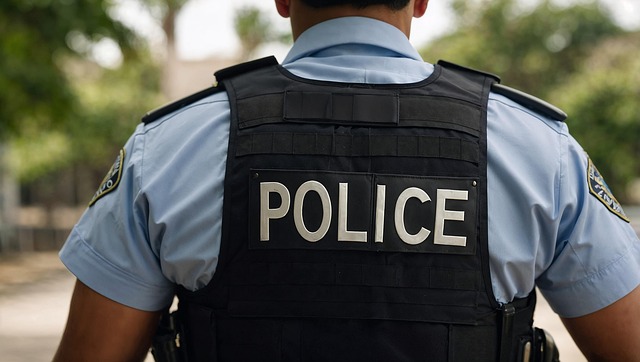


Police branding for recruiting is the difference between getting attention and getting applicants. Police branding for recruiting isn’t a logo project; it’s the total experience a candidate sees, feels, and believes before they ever click “apply.”
Most agencies think recruiting is a marketing problem. It’s not. Recruiting is a trust problem. And police branding for recruiting is how you build that trust at scale, especially when competition is fierce and candidates are skeptical.
What police branding for recruiting actually means
Police branding for recruiting is the consistent identity your agency projects to potential hires across your website, job postings, social media, recruiting events, and how you communicate after someone raises their hand. It’s the promise you make and the proof you provide.
Candidates are constantly asking:
Is this agency professional?
Will I be supported?
Do they train seriously?
Are the standards real?
Will leadership have my back?
Is this process organized or chaotic?
Your branding is the answer, even when you never say a word.
Why your best ads fail without strong branding
You can run great ads and still lose applicants if the candidate experience contradicts your message. Here’s what typically happens:
A candidate sees your ad or video and clicks.
They land on a generic city HR page that’s hard to use on mobile.
They can’t quickly see pay, benefits, schedule, or hiring steps.
They submit a form and hear nothing for days.
They move on to the agency that responds first and communicates clearly.
That’s not a marketing failure. That’s a branding failure—because the process communicates the true culture.
The five pillars that make it work
If you want a recruiting brand that produces applicants (not just likes), focus on these five areas.
1) Message clarity
Your agency needs a simple, specific story. “Serve with pride” is not a story. Candidates need to know what makes you different: training culture, specialty opportunities, community expectations, leadership standards, schedule, pay, and career growth.
Write a clear one-sentence positioning statement you can repeat everywhere:
Who you serve
What you stand for
What you expect
What you provide
2) Visual credibility
This is where many agencies get stuck. You don’t need a Hollywood production. You need authenticity and consistency.
Use real officers, real settings, and real work. Clean design, consistent colors, and professional photography signal competence. Stock photos and over-edited videos signal “image management,” and candidates can feel that immediately.
3) Candidate experience
Your hiring process is part of your reputation. If you want better results, make the path from interest to action frictionless:
Mobile-first landing page
Clear “how to apply” steps
Simple inquiry form
Immediate confirmation message
Fast follow-up
Consistent updates through the process
4) Leadership presence
Candidates watch leadership. If your chief and command staff are invisible—or only appear during controversy—your brand feels unstable.
Have leadership communicate consistently in short, direct formats:
A welcome video
A “what we expect” message
A training standards message
A culture message (what you do and don’t tolerate)
This builds trust faster than any slogan.
5) Proof points that reduce uncertainty
Candidates don’t just want claims; they want evidence. Publish proof:
Training hours and opportunities
Field training structure
Mentorship programs
Wellness resources
Career paths and specialty units
Promotion timelines and standards
Lateral and military pathways
When you provide proof, you remove the fear that the job will be misrepresented.
What to publish each month to strengthen recruiting results
If you want your brand to drive inbound applicants, you need repeatable content that supports the same message. A simple monthly plan:
1 culture story (why officers stay)
1 training story (what you invest in)
1 community story (what you value and how you serve)
1 recruiting explainer (pay, benefits, steps, timelines)
1 realistic “day in the life” clip
1 short leadership message
Do this consistently, and your agency becomes familiar, credible, and easier to say “yes” to.
A fast self-audit
Use this quick test. If you fail any of these, fix them first:
Can a candidate understand your agency’s “why” in 15 seconds?
Is your recruiting page mobile-friendly and fast?
Are pay, benefits, and steps easy to find?
Do you respond to inquiries the same day?
Do your officers’ stories match what leadership claims?
Do your videos feel authentic and current?
If not, your recruiting will always feel harder than it should.
The bottom line
Police branding for recruiting works when your message, visuals, leadership, and candidate experience tell the same story. Police branding for recruiting turns curiosity into confidence, and confidence into applications.
As former law enforcement professionals, SAFEGUARD Recruiting understands what works and what’s a waste of time. We’ve helped agencies from coast to coast staff full, and we guarantee results.
Reach out today for a free consultation and begin your journey to a complete law enforcement recruiting solution.
Academic Source
Nguyen Ngoc Thang, & Pham Thu Trang. (2024). Employer branding, organization’s image and reputation, and intention to apply: The moderating role of the availability of organizational information on social media. Frontiers in Sociology, 9, 1256733