
Police recruiting bonuses became one of the most popular responses to the law enforcement staffing crisis of the last several years. Departments that had never offered them started posting five-figure incentives. Agencies already offering police recruiting bonuses raised the amounts. The logic was simple: make the job more attractive financially, and more people will apply.
Police recruiting bonuses have been at best mixed, and many chiefs who invested heavily in them are still short-staffed. Understanding why requires an honest look at what drives people to pursue law enforcement careers and what actually converts interest into a hire.
Why Police Recruiting Bonuses Attract the Wrong Attention
Police recruiting bonuses are a one-time payment. It does not change the work, the culture, the leadership, or the day-to-day experience of being an officer at your agency. For candidates who are genuinely motivated by a career in law enforcement, a bonus may accelerate a decision they were already moving toward. For candidates primarily motivated by money, the bonus can attract applicants who are not a strong long-term fit and may leave before the retention period ends, sometimes requiring the agency to pursue repayment through costly legal channels.

Beyond fit issues, police recruiting bonuses do nothing to solve the pipeline problem. If only a small number of qualified people know your agency is hiring, a bonus does not grow that number. It just sweetens the offer for the people who were already paying attention.
What the Research and Experience Actually Show
Recruiting professionals who work specifically in public safety have identified several factors that matter more than financial incentives in the decision to apply. These include how easy it is to apply, how quickly an agency responds to candidates, how clearly the agency communicates its culture and mission, and whether the agency maintains contact with interested candidates throughout the hiring process.
In fact, our data shows that police recruiting bonuses have limited value for agencies.
That last point is where most departments lose people they could have hired. A candidate submits an application or fills out a contact form and then waits. The hiring process in law enforcement can take months. Without consistent, meaningful follow-up, candidates accept other offers, lose interest, or simply forget the interaction happened. The bonus that attracted them in the first place cannot hold them through a process that feels slow and silent.
The Strategies That Actually Move the Needle
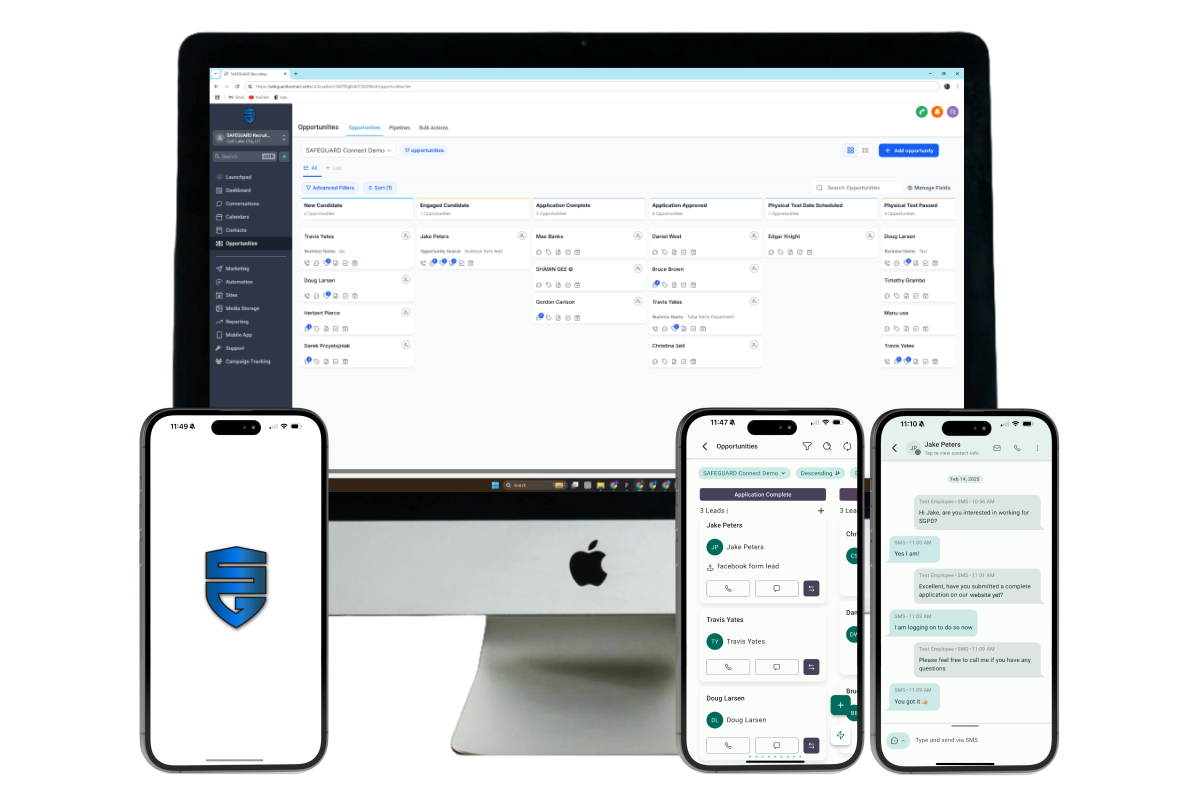
Agencies that are solving their staffing problems share a few common practices that have nothing to do with police bonuses. They are visible where candidates are actually looking, which increasingly means digital platforms and job boards rather than career fairs and newspaper ads. They respond to inquiries quickly, ideally within hours rather than days. And they stay in contact with candidates throughout the process using automated tools that keep the conversation going without requiring a recruiter to manually reach out to every single person.
They also invest in telling a compelling, specific story about their agency. Generic law enforcement recruitment messaging does not stand out. Candidates want to know what it is actually like to work in your department, what the leadership culture is like, what opportunities exist, and whether the people already there seem like people worth working alongside.
Rethinking the Recruiting Investment
The money many agencies spend on police recruiting bonuses, when redirected into a structured, data-driven recruiting system, tends to produce better and more sustainable results. Rather than a one-time payout that may or may not retain the officer, a recruiting system builds a continuous pipeline of qualified candidates who are engaged, informed, and ready to move through the hiring process.
Across all our clients, the average cost to source, recruit, and hire one police officer is approximately $ 1,500. It doesn’t take much math to figure out what would benefit an agency more: police recruiting bonuses or targeted recruiting.
That is a different kind of investment, and it compounds over time. A department that builds a real recruiting operation does not face the same crisis every six months. It maintains staffing levels and stays ahead of attrition rather than constantly chasing it.
If your department has tried bonuses and is still short-staffed, it may be time to look at what is actually driving the problem. Safeguard Recruiting works with agencies across the country to build the kind of recruiting systems that produce consistent, qualified candidates every month, guaranteed.
Visit safeguardrecruiting.com to request a free demo and see what a real recruiting strategy looks like in practice.