

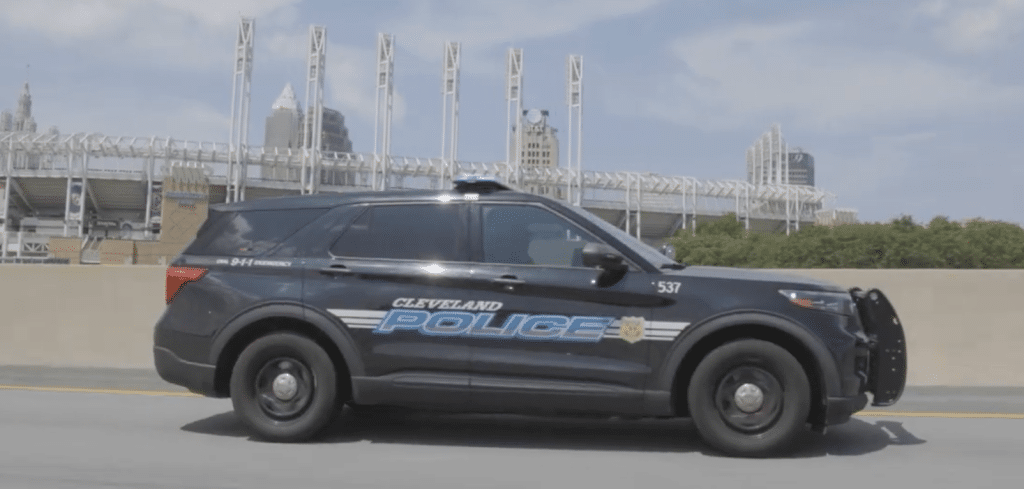
A police recruiting video can get attention fast, but it only works if it converts curiosity into a real next step. If your agency has views but not applications, the issue usually isn’t production quality; it’s message, trust, and what happens after the video.
Most departments treat video like a highlight reel. Candidates don’t need hype. They need clarity, credibility, and proof. A police recruiting video is one piece of a recruiting system, not a standalone solution.
What a police recruiting video is supposed to do
Before you film anything, define the job your police recruiting video must perform. It should accomplish three things:
-
Reduce uncertainty about the job and the agency
-
Increase trust by showing authentic proof
-
Drive a clear, simple action (apply, request info, attend an event)
If the video doesn’t move those three needles, it may still look great, but it won’t staff your agency.
The biggest mistake agencies make
The most common failure is making a police recruiting video that sells an image instead of telling the truth.
Candidates have a built-in skepticism filter. They’ve seen overproduced clips, scripted lines, and “perfect” portrayals that don’t match reality. When the video feels like marketing, trust drops. When trust drops, conversion drops.
A strong police recruiting video feels like a confident briefing, not a commercial.
The 7 elements that make a police recruiting video convert
If you want your police recruiting video to generate applicants, build it around these elements.
1) A specific “why this agency” message
Don’t say, “We’re like a family” or “We’re committed to excellence.” Every agency says that. Candidates want specifics:
-
training standards and expectations
-
leadership philosophy
-
community environment
-
career paths and specialty units
-
what you tolerate and what you don’t
Make your “why” clear in the first 15 seconds.
2) Real officers, real stories
A police recruiting video should feature real people speaking naturally. Short clips of officers explaining why they joined and why they stayed outperform scripted lines almost every time.
Aim for truth over polish. If you’re proud of your standards, show them.
3) The reality of the work
Show real calls, real training, real shift work, real teamwork. Not just slow-motion high-fives and heroic music.
Candidates are evaluating: “Can I see myself here?” The more honest your footage, the more confident the right candidates feel.
4) Leadership presence that signals stability
Candidates don’t join a logo. They join leadership and culture. Include the chief or command staff briefly, but keep it direct:
-
expectations
-
support and training commitment
-
professionalism standards
-
What success looks like
When leadership is visible and consistent, your police recruiting video becomes more credible.
5) Clear steps and clear timelines
A police recruiting video should answer basic process questions:
-
minimum requirements
-
hiring steps
-
estimated timelines
-
how to get help if they have questions
If your process is confusing, you will lose candidates, even if the video is excellent.
6) A strong call-to-action that reduces friction
End with one action, not five. Examples:
-
“Apply now” (with a simple link/QR)
-
“Request an info packet”
-
“Register for the next hiring event”
-
“Talk to a recruiter today”
Then make sure the landing page is mobile-first and fast. A police recruiting video that sends people to a clunky city HR page is a conversion killer and in our experience, this is a major problem in law enforcement recruiting.
7) Follow-up speed that matches candidate expectations
This is the hidden multiplier. A police recruiting video can create leads, but your follow-up converts them.
If a candidate submits an interest form and hears nothing for 48 hours, they’re gone. The agencies winning right now respond the same day—often within minutes—with a clear next step.
How long should a police recruiting video be?
You don’t need one video. You need a small “stack”:
-
Primary video (60–120 seconds): the core story + CTA
-
Short clips (15–30 seconds): training, culture, pay/benefits, specialty units
-
FAQ clips (20–45 seconds): requirements, timeline, background, academy
The primary police recruiting video builds trust. The short clips build repetition and reach.
What to film first if you’re starting from scratch
If you only have time for one shoot day, prioritize:
-
officer interviews (5–8 people, diverse roles)
-
training footage (range, DT, scenario-based)
-
community environment (not staged, just real)
-
shift overlap / roll call / team moments
-
brief leadership message
Then build the story in this order: mission → reality → standards → support → opportunities → CTA.
The bottom line
A police recruiting video works when it’s built for trust and conversion, not vanity metrics. If your leadership loves the video, keep in mind that it has nothing to do with whether it will actually help you recruit. You must treat your police recruiting video as the front door to a fast, clear recruiting system; this is how you get applicants, and not just views.
Reach out to SAFEGUARD Recruiting today and let’s discuss how a recruiting video can enhance your overall recruiting mission. Check out one of our recent videos below.
Academic Source:
Frasca, K. J., Edwards, M. R., & Edwards, T. (2017). Web-based corporate, social and video recruitment media: Effects of media richness and source credibility on organizational attraction. International Journal of Selection and Assessment, 25(2), 125–141.