

Police understaffing is a crisis that few are discussing. Most police chiefs understand it in plain terms. Fewer officers on patrol. More mandatory overtime. Burned-out veterans are doing the work of two people. What gets talked about less is the actual dollar figure sitting behind all of the police understaffing, and when agencies do the math, the numbers tend to stop the conversation cold.
The cost of police understaffing is one of the most underexamined budget problems in local government today. It shows up in ways that are easy to miss on a spreadsheet until they compound into something that cannot be ignored.
Overtime Is the Most Visible Cost, But Not the Only One
When a shift is short, someone has to cover it. This police understaffing means mandatory overtime, and overtime pay for sworn officers carries significant cost multipliers depending on union contracts and classification. Agencies running chronically short for months at a time have reported overtime expenditures that exceed what it would have cost to simply hire and train additional officers in the first place.
READ PHOENIX PD SPENDS 98 MILLION ON OVERTIME TO ADDRESS POLICE UNDERSTAFFING
But the financial hit does not stop there. Police understaffing drives attrition. Officers who are constantly overworked begin looking elsewhere, and when experienced officers leave, agencies absorb the full cost of replacement. That includes recruiting expenses, background investigation costs, academy training, field training officer time, and the extended ramp-up period before a new officer reaches full productivity. Industry estimates place the total cost of replacing a single law enforcement officer somewhere between $100,000 and $250,000 when all factors are counted.
The Hidden Costs That Never Make the Budget Report
There are costs that rarely appear on any official ledger. Delayed response times create liability exposure. Fatigue-related incidents, whether use of force reviews, vehicle accidents, or judgment errors, carry legal costs that can dwarf any overtime line item. Reduced community visibility erodes public trust, which, over time, undermines political will to fund the department at all.
There is also the cost of failed recruiting. Many agencies spend money on job fairs, print ads, and social media posts that generate little measurable return. When those efforts produce unqualified candidates or no candidates at all, the investment is simply lost with no pipeline to show for it.
What Fully Staffed Agencies Do Differently
Agencies that maintain healthy staffing levels do not typically have better geography, better pay, or a more favorable news environment. What they have is a recruiting system that runs continuously, not just when the vacancy problem becomes impossible to ignore.
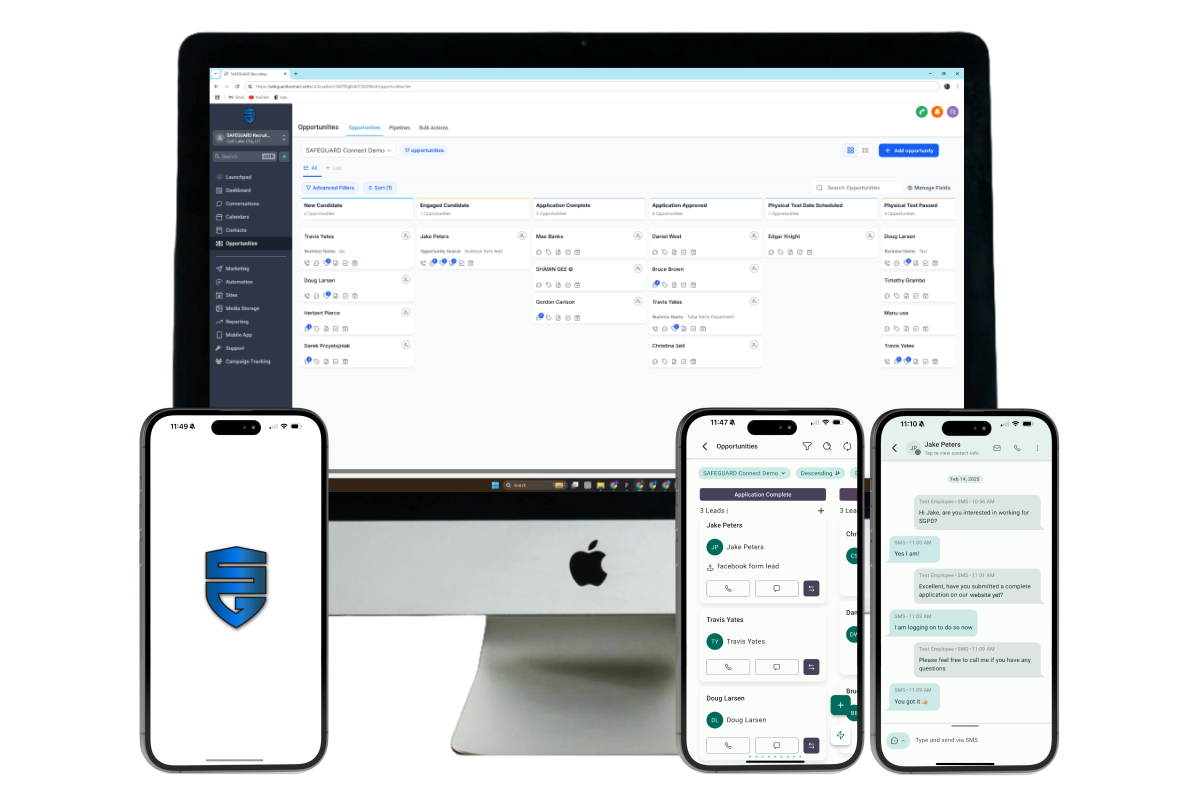
They generate a consistent flow of qualified candidates every month. They use automated tools to stay in touch with interested applicants before they go elsewhere. They measure recruiting the same way a business measures sales, with real numbers, real timelines, and real accountability.
The difference between an agency that is perpetually short-staffed and one that is fully staffed often comes down to whether recruiting is treated as an ongoing operation or an afterthought.
Putting a Number on the Problem
If your agency is carrying ten vacancies and each position costs a conservative $150,000 to fill and maintain through the first year, the financial exposure is $1.5 million before you count overtime, liability, or lost institutional knowledge. Multiply that across a department of any size, and the case for investing in a structured recruiting system becomes straightforward.
The question is not whether your agency can afford to fix police understaffing. The question is how long it can afford not to.
If your department is ready to stop absorbing the cost of understaffing and start building a real pipeline, Safeguard Recruiting can help. Their system delivers guaranteed qualified candidates every month, built by people who have spent careers in law enforcement and understand what is at stake.
Request a free demo at safeguardrecruiting.com and find out what a fully staffed department actually looks like.