
Modernizing the Approach to Recruiting Millennials in Law Enforcement
The workforce paradigm has shifted. To fill your academy classes, your agency must abandon outdated hiring playbooks. Safeguard Recruiting provides the digital marketing systems and technology required to attract, engage, and hire the next generation of sworn officers.
Upgrade Your Recruitment Strategy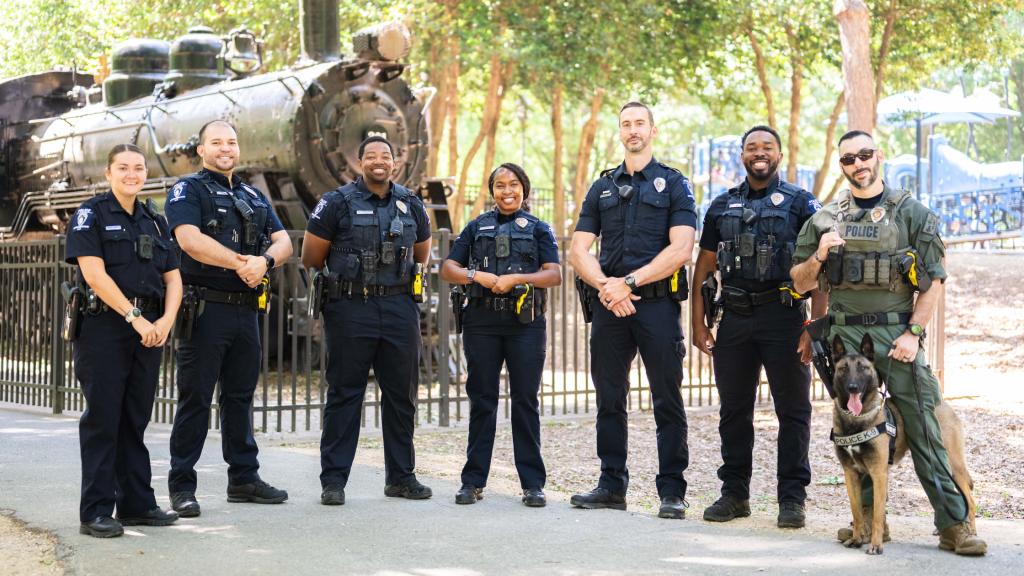

Why Traditional Hiring Fails the Modern Candidate
For decades, police departments could simply post a notice at the local community college or run a newspaper ad and expect a flood of highly qualified applicants. That era is definitively over. When it comes to successfully recruiting millennials in law enforcement, agencies are often their own worst enemies, relying on slow, bureaucratic processes that alienate modern applicants.
Millennials and Gen Z candidates process information differently. They expect digital transparency, rapid communication, and a clear understanding of departmental culture before they even submit an initial application. If your agency takes three weeks to respond to a candidate's web inquiry, or forces them to navigate a clunky, mobile-unfriendly city government portal, you are actively losing top-tier talent to neighboring jurisdictions that have modernized their approach.
Key Pillars for Recruiting Millennials in Law Enforcement
To successfully capture this demographic, Safeguard Recruiting integrates these core principles into every marketing and applicant tracking campaign we deploy for our partnered agencies.
Purpose-Driven Branding
Millennials are heavily motivated by purpose and community impact, not just a pension. Your digital marketing must highlight community policing efforts, specialized units, and the tangible difference your officers make daily.
Mobile-First Accessibility
Over 80% of job discovery happens on a smartphone. We build custom, mobile-optimized recruitment websites ensuring that applying to your department is as seamless as ordering a rideshare.
Speed of Engagement
A slow hiring pipeline kills recruitment. We utilize automated nurturing systems that instantly text and email candidates the moment they show interest, keeping them engaged throughout the lengthy background process.

Communicating on Their Terms
One of the most critical failures in recruiting millennials in law enforcement is relying strictly on phone calls and physical mail. The modern candidate prefers text messaging and digital updates. Safeguard Recruiting equips your background investigators with Safeguard Connect, our proprietary applicant tracking system.
Our software allows your command staff to send integrated SMS text messages, deploy ringless voicemails, and manage automated email drip campaigns. By meeting candidates where they are—on their phones—you drastically reduce candidate ghosting and ensure a higher graduation rate into your academy.
Frequently Asked Questions
What is the biggest mistake agencies make when recruiting millennials in law enforcement?
The most common mistake is failing to communicate rapidly. Millennials expect immediate acknowledgment. If a department takes weeks to follow up on an initial application, the candidate will assume the agency is disorganized and move on to another career opportunity.
How does social media factor into modern police recruiting?
It is absolutely essential. Social media is where this demographic researches your agency's culture, leadership, and public perception. A stagnant or overly rigid social media presence will deter high-quality millennials from applying to your department.
Why is text messaging important for recruitment?
Emails get lost in spam folders, and unfamiliar phone calls are frequently sent to voicemail. SMS text messaging boasts a 98% open rate, making it the most effective tool to remind applicants about physical agility test dates, polygraphs, and interview schedules.
Can Safeguard Recruiting help my agency modernize?
Yes. Safeguard Recruiting was built by former law enforcement commanders specifically to fix this crisis. We provide both the digital marketing required to attract the modern candidate and the software (Safeguard Connect) needed to track them efficiently.